
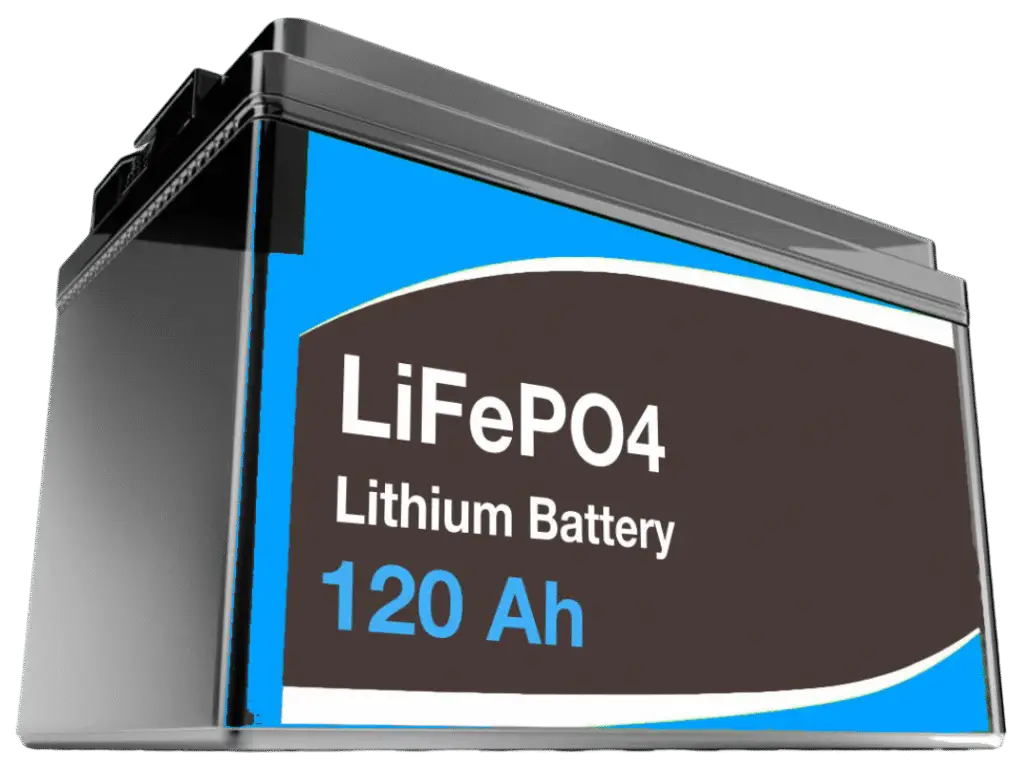
To determine the right battery size for your campervan, you need to calculate how much energy you’ll use in a typical day and choose a battery setup that can comfortably supply that — ideally with some buffer and the ability to handle a day or two without charging.
Step-by-Step Battery Sizing Guide
1. List Your Daily Power Use (in Watt-hours – Wh)
Estimate the usage of each appliance:
| Appliance | Power (W) | Hours/Day | Daily Use (Wh) |
|---|---|---|---|
| Fridge (12V) | 45 | 24 | 1,080 |
| Lights (LED x4) | 10 | 4 | 40 |
| Phone Charging | 10 | 2 | 20 |
| Laptop | 60 | 2 | 120 |
| Water Pump | 60 | 0.2 | 12 |
| Fan or Heater | 30 | 5 | 150 |
| Miscellaneous Buffer | — | — | 100 |
| TOTAL | 1,522 Wh |
2. Convert Wh to Ah (Amp-hours)
Use this if your battery is 12V:
3. Choose Battery Type and Capacity
- Lithium (LiFePO₄): Usable up to 90–100% of capacity.
- AGM/Lead Acid: Usable only up to 50% of capacity (double the Ah needed).
To comfortably cover one day + buffer:
| Battery Type | Minimum Recommended Capacity |
| Lithium | ~150Ah |
| AGM | ~250Ah |
4. Consider Solar and Charging
If you have:
- Solar panels (e.g., 300W–400W) — you can replenish ~100–150Ah on a sunny day.
- DC-DC charger — charges from alternator while driving.
- AC charger — charges when plugged into mains power.
These reduce the battery capacity you must carry — especially if you’re not fully off-grid.
Quick Recommendations
| Travel Style | Battery Size (Lithium) |
| Weekend trips only | 100Ah |
| Full-time, basic use | 150Ah–200Ah |
| Full-time, off-grid with fridge, laptops, etc. | 200Ah–300Ah |